
Style
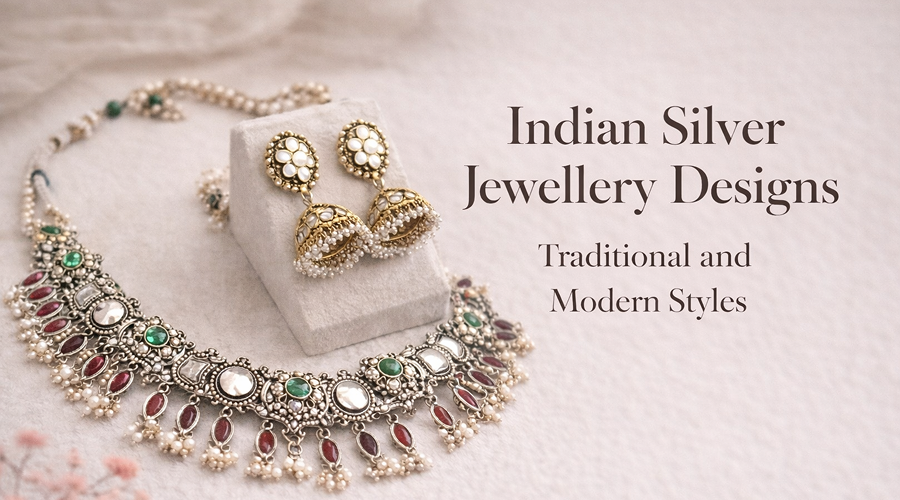
Indian Silver Jewellery Designs – Traditional and Modern Styles
Mar
1. Introduction
Indian silver jewellery has long been admired for its beauty, cultural value, and artistic craftsmanship. For centuries, silver ornaments have played an important role in Indian traditions and celebrations. From weddings and festivals to daily wear, silver jewellery continues to remain an essential part of Indian fashion and heritage.
India is especially known for its intricate jewellery designs created by skilled artisans. Many traditional pieces feature detailed carvings, gemstone settings, and symbolic patterns inspired by culture and religion. Each region of the country has its own distinctive jewellery style, making Indian silver jewellery diverse and unique.
Today, silver jewellery is not only worn for cultural occasions but also as a fashionable accessory for modern lifestyles. In this article, you will discover popular Indian silver jewellery designs, traditional styles, modern trends, different types of jewellery pieces, and useful tips for choosing the right silver jewellery.
Why Indian Silver Jewellery Is Unique
Indian silver jewellery stands out because of its deep cultural roots and detailed craftsmanship. For generations, silver ornaments have been worn during weddings, festivals, and religious ceremonies. Many families consider silver jewellery a symbol of prosperity and tradition.
One of the most remarkable features of Indian jewellery is the artistry involved in its creation. Skilled artisans carefully craft pieces using techniques such as engraving, filigree work, and gemstone setting. These techniques create intricate patterns and designs that reflect India’s artistic heritage.
Another reason Indian silver jewellery is unique is the wide variety of styles available. Traditional designs include Kundan, Polki, Temple jewellery, and Meenakari work. Each style originates from a specific region and carries cultural significance.
In addition to its beauty, silver jewellery also holds investment value. Silver is a precious metal that maintains market value over time. Many people purchase silver ornaments not only for fashion but also as a form of financial security.
Popular Indian Silver Jewellery Designs
Indian silver jewellery includes many traditional and contemporary designs. Each style reflects unique craftsmanship and cultural inspiration.
3.1 Kundan Jewellery
Kundan jewellery is one of the most famous traditional jewellery styles in India. In this design, gemstones are set into silver using a special technique that secures the stones with thin layers of metal.
Kundan jewellery is particularly popular in Rajasthan and North India. It is often worn during weddings and festivals because of its luxurious appearance. Bridal sets frequently include Kundan necklaces, earrings, and maang tikkas.
3.2 Polki Jewellery
Polki jewellery features uncut natural diamonds set in silver. Unlike modern diamond jewellery, Polki stones retain their natural shape, which gives them a unique and traditional appearance.
This style is commonly associated with royal Indian jewellery. Polki pieces are often used in bridal collections because they create a rich and elegant look. The combination of silver settings and natural diamonds gives the jewellery a timeless appeal.
3.3 Temple Jewellery
Temple jewellery originates from South India and is inspired by traditional temple art. These pieces often include motifs of gods, goddesses, and sacred symbols.
Temple jewellery is usually heavy and highly detailed. It is commonly worn during classical dance performances, religious ceremonies, and traditional weddings. Necklaces, earrings, and hair ornaments often feature intricate carvings and decorative elements.
3.4 Meenakari Jewellery
Meenakari jewellery is known for its colorful enamel work. Artisans decorate silver jewellery with bright enamel colors to create beautiful floral and geometric patterns.
This technique is especially popular in Rajasthan and Gujarat. Meenakari jewellery often combines gemstones with vibrant enamel designs. The colorful appearance makes these pieces perfect for festive occasions and celebrations.
3.5 Contemporary Silver Designs
Modern silver jewellery blends traditional materials with contemporary fashion trends. Many modern designs include minimalist chains, sleek bangles, and lightweight earrings.
These pieces are ideal for everyday wear because they are comfortable and stylish. Contemporary silver jewellery often focuses on clean lines, geometric shapes, and subtle elegance. This combination allows traditional silver jewellery to adapt to modern fashion.
Types of Indian Silver Jewellery Pieces
Indian silver jewellery includes many different types of ornaments designed for various parts of the body.
Necklaces are among the most popular pieces. Traditional styles include long harams, decorative chokers, and elegant silver chains.
Earrings come in many designs such as jhumkas, chandbalis, and studs. These styles range from simple daily wear to elaborate festive pieces.
Bangles and bracelets are also widely worn. Traditional silver bangles are common in many Indian cultures, while cuff bracelets provide a modern alternative.
Rings include statement rings, gemstone rings, and simple silver bands often worn daily.
Bridal jewellery also includes maang tikka and hair accessories, which decorate the hair and forehead.
Finally, anklets and toe rings hold strong cultural significance in Indian traditions. These ornaments are commonly worn during weddings and festivals.
Latest Trends in Indian Silver Jewellery 2026
Silver jewellery trends continue to evolve as designers blend traditional craftsmanship with modern fashion preferences.
One noticeable trend is the rise of lightweight daily wear designs. Many people now prefer silver jewellery that is comfortable enough for everyday use.
Another growing trend is fusion jewellery, which combines traditional Indian motifs with modern designs. These pieces often mix classic patterns with contemporary shapes.
Personalized jewellery is also becoming increasingly popular. Rings, pendants, and bracelets with engraved names or initials allow individuals to create unique accessories.
Layered jewellery styles are also trending. Wearing multiple necklaces or stacked bracelets creates a fashionable and modern look.
Many designers are also incorporating gemstones and pearls into silver jewellery to add elegance and color. These additions enhance the visual appeal of traditional silver designs.
How to Choose the Right Indian Silver Jewellery
Selecting the right silver jewellery involves considering several important factors.
One key factor is silver purity. High-quality jewellery is often made from sterling silver (925) or pure silver. Checking the purity stamp helps confirm authenticity.
Another factor is design preference. Some people prefer traditional styles such as temple or Kundan jewellery, while others enjoy modern minimalist designs.
The occasion also influences the choice of jewellery. Heavy traditional pieces are often worn during weddings or festivals, while lightweight designs are better suited for everyday wear.
Budget is another important consideration. The price of silver jewellery usually depends on the weight of the metal and the complexity of the design.
Finally, it is important to examine the craftsmanship and finishing of the jewellery. Well-crafted pieces have smooth edges, secure gemstone settings, and detailed patterns.
Taking these factors into account helps buyers choose jewellery that is both beautiful and long lasting.
Care Tips for Indian Silver Jewellery
Proper care helps maintain the shine and beauty of silver jewellery.
Silver ornaments should be stored in anti tarnish pouches or soft cloth bags to protect them from air exposure and moisture.
It is also advisable to avoid contact with perfumes, lotions, and harsh chemicals, as these substances can damage the silver surface.
Occasional cleaning with mild soap and a soft cloth helps remove dirt and restore the jewellery’s shine.
If the jewellery contains gemstones or delicate settings, it is helpful to check clasps and stones regularly to ensure they remain secure.
Regional Variations in Indian Silver Jewellery
Different regions of India have developed their own unique silver jewellery styles.
Rajasthani jewellery is famous for its elaborate Kundan and Meenakari designs. These pieces often include colorful gemstones and intricate patterns.
South Indian jewellery is known for temple inspired designs featuring religious motifs and heavy silver sets.
In North India, Polki jewellery and bridal silver ornaments are commonly worn during weddings and celebrations.
Gujarati jewellery often includes bright enamel work and detailed decorative patterns. These pieces reflect the vibrant culture and artistic traditions of the region.
These regional variations highlight the rich diversity of Indian jewellery craftsmanship.
Some of the most popular designs include Kundan jewellery, Polki jewellery, temple jewellery, Meenakari designs, and contemporary silver pieces.
Sterling silver (925) is commonly used because it offers durability while maintaining the shine of pure silver.
Yes. Many modern silver designs are lightweight and comfortable, making them ideal for daily use.
Regular cleaning with a soft cloth and proper storage in anti tarnish pouches helps maintain the shine of silver jewellery.
Conclusion
Indian silver jewellery remains a timeless expression of culture, craftsmanship, and elegance. From traditional designs like Kundan and temple jewellery to modern minimalist styles, silver ornaments offer endless variety.
The beauty of Indian silver jewellery lies in its intricate designs and regional artistry. Whether worn for weddings, festivals, or everyday fashion, silver jewellery continues to hold both cultural and aesthetic value.
By focusing on quality, craftsmanship, and personal style, buyers can discover beautiful silver jewellery pieces that reflect tradition while complementing modern fashion.